Are Contactless Payments Safe? Tokenization and Fraud Protection Explained
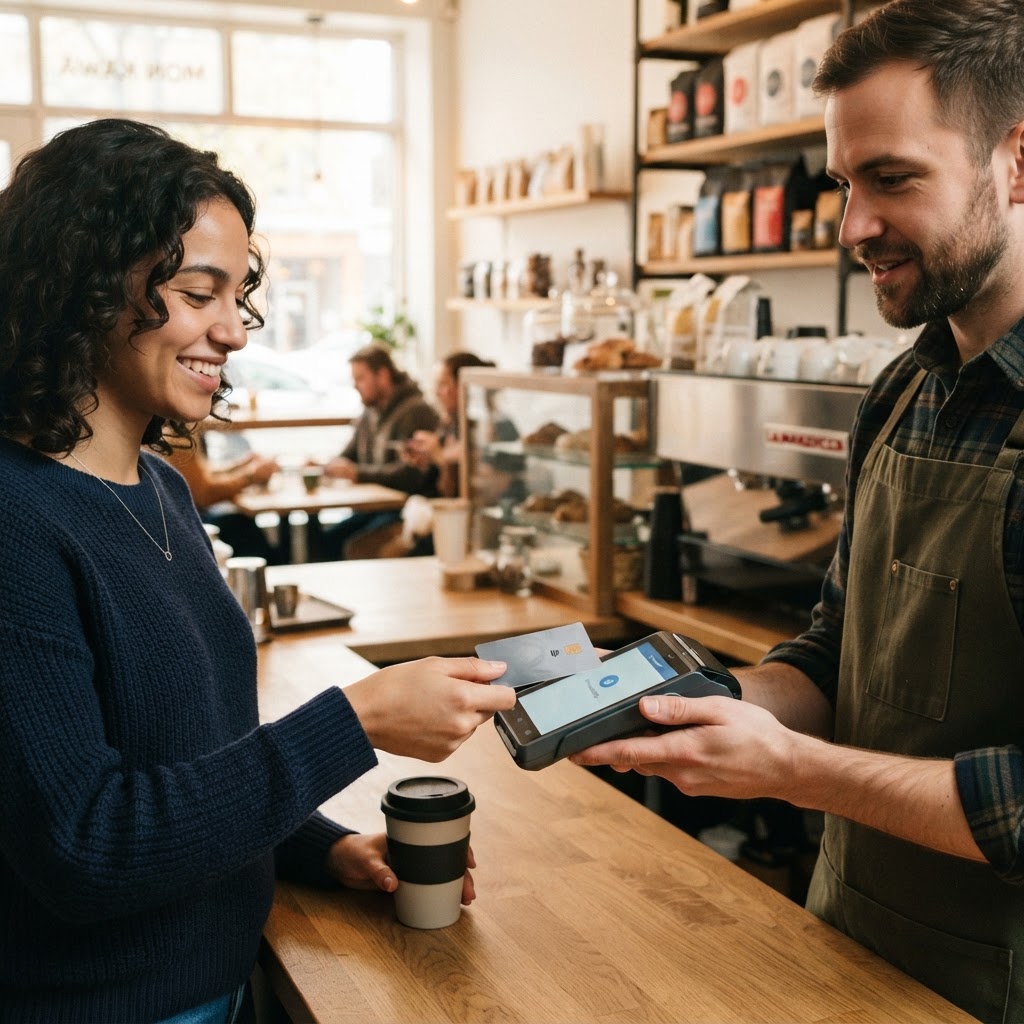
Contactless payments in Canada are highly secure, utilizing advanced encryption and tokenization to protect sensitive financial data. By replacing actual card numbers with unique, one-time digital tokens, the technology ensures that your personal information remains shielded from fraudsters during every transaction, making contactless payments Canada a safe and reliable standard for modern commerce.
Key takeaways
- Tokenization: Every contactless transaction uses a unique, random digital token rather than your actual card number, rendering intercepted data useless to criminals.
- EMV Security: Contactless payments rely on the same robust EMV chip technology that powers physical card inserts, providing industry-leading protection against counterfeiting.
- Spending Limits: Financial institutions enforce both per-tap and cumulative spending limits to mitigate risk in the event of a lost or stolen card.
- Zero Liability: Major Canadian payment networks, including Interac, offer zero-liability policies to protect consumers from unauthorized transactions.
How does tokenization protect your customers?
Tokenization is the process of replacing sensitive payment information, such as a primary account number, with a unique, non-sensitive digital identifier known as a "token." When a customer taps their card or mobile wallet, the payment network—such as the Interac Token Service Provider—generates a one-time code for that specific transaction. Because this token is mathematically linked to the device or card but holds no intrinsic value, it cannot be used by hackers to replicate the card or access the underlying bank account. This technology is a cornerstone of modern payment security, ensuring that even if a data breach were to occur at a merchant level, the stolen tokens would be useless to cybercriminals. At Tap2Pay, we prioritize these security standards by providing merchants with modern hardware that fully supports tokenized transactions, ensuring your business remains compliant and your customers feel confident every time they tap.
Are contactless payments safer than traditional card swipes?
Contactless payments are significantly safer than traditional magnetic stripe swipes because they eliminate the risk of "skimming" and electronic pickpocketing. While magnetic stripes transmit static, unencrypted data that can be easily copied by a card reader, contactless payments use dynamic encryption. According to Interac, contactless-enabled cards and mobile devices use the same secure EMV chip technology that makes physical card inserts difficult to counterfeit. Furthermore, because the transaction is "contactless," the card never leaves the customer's hand, reducing the opportunity for physical tampering or unauthorized handling. For Canadian merchants, upgrading to modern terminals that support these secure methods is a vital step in fraud prevention. We help businesses transition to these secure standards with transparent pricing and no hidden fees, often saving merchants 15-30% on their processing costs compared to legacy providers.
Understanding contactless payment limits in Canada
Contactless payment limits in Canada are designed as a safety net to prevent large-scale fraud if a card or device is lost. These limits generally fall into two categories: the per-tap limit, which restricts the amount of a single transaction, and the cumulative limit, which tracks the total spend before a PIN or physical card insertion is required. While per-tap limits were historically set at $250 for many years, these thresholds have evolved as of late 2025 to accommodate changing consumer habits. It is important to note that these limits are set by the card issuer and the payment network, not by the merchant’s hardware. Merchants do not need to manually configure their terminals to adjust for these limits; the system automatically prompts the customer for a PIN or a physical insert once a limit is reached, ensuring a seamless balance between convenience and security.
How to accept contactless payments securely
Accepting contactless payments is a straightforward process that enhances the customer experience while maintaining high security. Follow these steps to ensure your business is ready:
- Verify Hardware: Ensure your terminal is contactless-enabled. Modern PAX smart terminals are designed to handle NFC (Near Field Communication) signals securely.
- Inform the Customer: Clearly display signage indicating that you accept contactless payments, including Interac Debit, Visa, and Mastercard.
- Initiate the Transaction: Enter the purchase amount into your terminal.
- Customer Tap: The customer taps their card, smartphone, or wearable device against the terminal’s reader.
- Authorization: The terminal communicates with the payment network to validate the token.
- Confirmation: Once the transaction is approved, the terminal will provide a visual or audible signal.
If you are looking to upgrade your current setup, our terminals are built to handle these high-speed, secure transactions with ease.
Frequently Asked Questions
Can a hacker steal my card info by walking past me with a reader?
The risk of "electronic pickpocketing" is extremely low. Contactless technology requires the card or device to be within a few centimetres of the reader, and the terminal must be authorized by a payment network to process the transaction. The dynamic tokenization used in modern payments makes intercepted data useless for future fraud.
What happens if a customer’s phone or card is stolen?
If a device or card is lost, the customer should immediately contact their financial institution to freeze the account. Because contactless payments are protected by device-level security—such as biometric scans (FaceID/fingerprint) or passcodes on smartphones—unauthorized users cannot easily access the digital wallet to make payments.
Do I need to pay extra to enable contactless payments?
Most modern payment processing agreements include contactless capability as a standard feature. If you are currently paying high monthly fees or hidden surcharges for "premium" features, it may be time to review your pricing. Tap2Pay offers transparent, flat-rate or interchange-plus pricing models that ensure you aren't overpaying for the technology your customers expect.
Conclusion
Contactless payments Canada have become the gold standard for speed and security. By leveraging tokenization and EMV technology, merchants can provide a frictionless checkout experience while significantly reducing the risk of fraud. As a Canadian merchant, staying ahead of these trends is essential for maintaining customer trust and operational efficiency. If you are ready to modernize your payment processing with transparent, reliable service, get a free quote from Tap2Pay today and see how we can help your business save on processing costs.
Reviewed by Tap2Pay's Canadian merchant services specialists. Updated 2026.